
Creating greater acute care consistency across a multi-hospital health system

How a multi-state health system unified 80 acute care programs in 18 months — cutting LWOT, door-to-provider time, and ALOS while holding clinician retention above 95%.
How a high-volume community ED cut door-to-provider time from 47 to 7 minutes

A provider-in-triage model, supported by re-designed front-end roles and registration workflows, drove an 85% reduction in door-to-provider time, held left-without-treatment (LWOT) under 2%, and sustained 100% compliance on severe sepsis and stroke care—performance that has held steady through the COVID-19 pandemic, nurse staffing shortages, and a new ED build.
A mindful clinician’s checklist

When a clinician is attentive and present during patient encounters it results in a more positive patient experience.
Telemedicine contributions to health care in America

Telemedicine, once reserved for treating patients in remote areas, is increasing in popularity thanks to today’s connected consumer who prefers immediate answers over time spent in a doctor’s waiting room.
Systemness self-assessment

How far along is your system on the journey to full/true systemness?
SCP Health Expands Performance Edge Model to Strengthen Hospital-Based Care

Partnership model supports hospital clinical teams while SCP improves operational infrastructure to enhance high-quality patient care
Your US Clinical Career, Simplified.

Take the Next Step Secure your future and advance your medical career with a team that puts you first. Contact SCP Health today to discuss our visa-eligible opportunities and discover how we can help you achieve your professional goals.
Taking a strategic approach to hybrid care
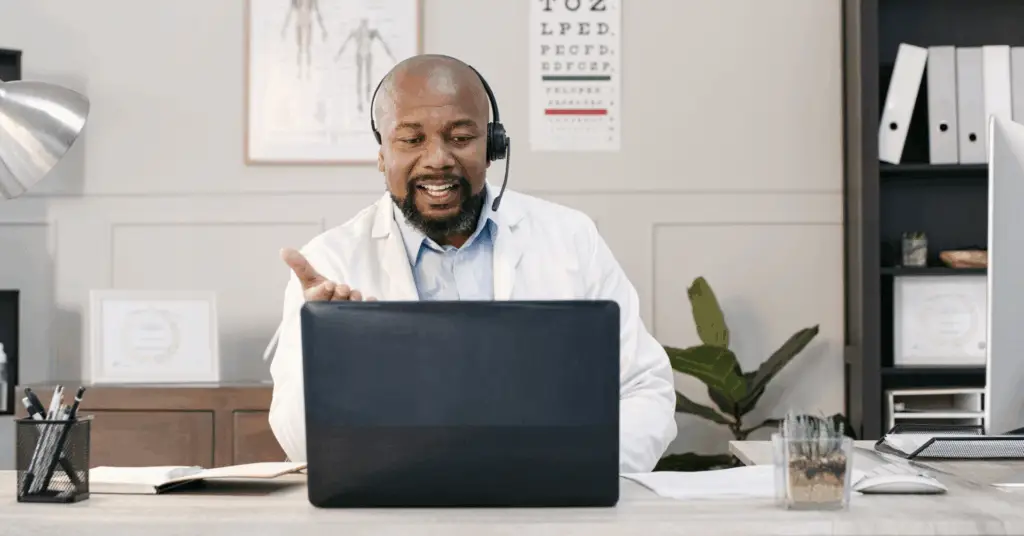
Hybrid care, telemedicine, telehealth, virtual health care—there are a million names for using digital technology to deliver and improve patient care.
4 tips for developing palliative care skill in the ED

The emergency department is uniquely positioned for initiating palliative care discussions.
7 strategic levers to transform hospital operations through integrated hospital medicine leadership

Hospital occupancy is projected to reach crisis levels by 2032, with staffed beds unable to meet demand. But this challenge represents an opportunity: health systems that act now can transform operations, expand access, and position themselves as market leaders while others struggle with capacity constraints.