
Skip to content

SCP Health featured on NBC

Read now
SCP Health logo with tagline Together, we heal.
  • Clinical Services
    • Emergency Medicine
    • Hospital Medicine
    • Critical Care Medicine
    • SCP Connected Care
    • Hospital at Home
  • Careers
    • Physicians
    • Resident Physicians
    • NP/PAs
    • Nurses
    • Medical Leadership
    • Clinical Education & Training
    • Corporate Careers
  • Company
    • Our Story
    • Leadership Team
    • Advocacy
    • Social Responsibility
  • Resources & Events
    • Case Studies
    • Resources
    • Blog
    • Events
    • Podcast
    • News
SCP Clinician Portal

What is service recovery in healthcare – The importance of onsite service recovery

Home » What is service recovery in healthcare – The importance of onsite service recovery

SCP Health logo with tagline Together, we heal.
SCP Clinician Portal
  • Clinical Services
    • Emergency Medicine
    • Hospital Medicine
    • Critical Care Medicine
    • SCP Connected Care
    • Hospital at Home
  • Careers
    • Physicians
    • Resident Physicians
    • NP/PAs
    • Nurses
    • Medical Leadership
    • Clinical Education & Training
    • Corporate Careers
  • Company
    • Our Story
    • Leadership Team
    • Advocacy
    • Social Responsibility
  • Resources & Events
    • Case Studies
    • Resources
    • Blog
    • Events
    • Podcast
    • News
What is service recovery in healthcare – The importance of onsite service recovery

Home » What is service recovery in healthcare – The importance of onsite service recovery

  • Clinical Services
    • Emergency Medicine
    • Hospital Medicine
    • Critical Care Medicine
    • SCP Connected Care
    • Hospital at Home
  • Careers
    • Physicians
    • Resident Physicians
    • NP/PAs
    • Nurses
    • Medical Leadership
    • Clinical Education & Training
    • Corporate Careers
  • Company
    • Our Story
    • Leadership Team
    • Advocacy
    • Social Responsibility
  • Resources & Events
    • Case Studies
    • Resources
    • Blog
    • Events
    • Podcast
    • News
What is service recovery in healthcare – The importance of onsite service recovery

“Patient satisfaction is currently treated as one proxy for the quality of care a patient receives… While satisfaction scores undoubtedly help gauge the experience of a single episode of care, they ultimately fall short of a larger, more important goal: to get patients to see the health system and its providers in a spirit of long-term partnership and collaboration.”

This statement, taken from SCP’s whitepaper The Lifetime Value of Patient Loyalty, speaks to the necessity of maintaining good relationships with patients over the long-term.

There are several reasons why this is significant, not the least of which is it helps to solve the revenue problem.

Approximately seven percent of patients reportedly switch providers due to negative patient experiences, which translates to nearly $100 million in annual revenue loss per hospital.

Conversely, any hospital that earns its patients’ loyalty stands a much better chance of experiencing financial sustainability. More importantly, loyalty, which stems from satisfied patients regarding the quality of care, can help to improve that patient’s life.

That’s why, when problems with customer service occur in hospitals (and they invariably will), your team must be prepared with a service recovery program designed to turn a displeased patient into a happy, loyal one.

Why practice service recovery in healthcare?

Service recovery is a fundamental business practice every hospital should employ, especially in an era where reimbursement hinges on patient satisfaction. Further, it helps safeguard a hospital’s reputation and protect it from adverse public opinion resulting from negative word of mouth.

Not only that but service recovery is also a loyalty creator. A phenomenon known as the “service recovery paradox” says that when we handle our patients’ concerns or complaints quickly, they tend to be more satisfied than a patient who experienced no problems at all.

Five service recovery steps for hospitals

Excellence in hospital service recovery efforts starts with five simple steps:

1. Anticipate patient needs

Of all the loyalty-oriented changes possible, anticipating the patient’s needs is perhaps the most essential because it’s where empathy and action meet.

This kind of anticipation can be clinical or non-clinical but is always predicated on seeing things from the patient’s perspective and understanding their expectations at critical points along the care experience pathway. Failure to anticipate and prepare can result in dissatisfaction and loss of patient loyalty.

2. Acknowledge a patient’s feelings

Service recovery begins the minute we recognize that a patient’s expectations are not being met. It is vital at this point instead of arguing and attempting to explain your position, you acknowledge the problem and identify with what the person is feeling. As in step one, express empathy and view the situation from the patient’s perspective.

3. Apologize and take ownership

Saying “I’m sorry” or “I apologize” is not an admission of guilt but, instead, a way to diffuse an angry situation and bridge an emotional gap. It is an essential step in moving away from a negative hospital experience into a positive experience.

4. Fix the problem… fast!

Apologies — as sincere as they may be — won’t always be enough to assuage and angry patient.

To prevent a negative customer experience from reflecting poorly on your hospital, you must show patients and their families that you are committed to correcting the problem at its source and making whatever amends necessary to ensure their satisfaction.

Service recovery in hospitals is time-sensitive, however, and demands that your staff act quickly, preferably while the patient and his or her family is still onsite, for it to work.

That’s where technology, such as myPoint Patient Surveys, can help.

myPoint allows patients to enter their feedback about a clinical encounter, negative or positive, in real-time onto a hospital tablet or the patient’s own phone.

The tablet/phone interface solves the fundamental flaw of most patient satisfaction surveys: the gap of time between the clinical event and when the patient fills out the questionnaire. It ensures a clinician sees patient feedback immediately, often before the patient leaves the premises.

myPoint also addresses a common criticism of traditional patient satisfaction surveys: a low number of surveys relative to total patient visits. Using it, you can, conceivably, survey 100 percent of your patients.

5. Document to foster change

It’s not enough to resolve the problem for one patient, particularly if its systemic, which is why it’s essential that you train staff members to keep detailed recovery logs.

Logs should include the date and time the incident occurred, nature of the complaint, and the department and persons involved. In addition, record the patient and family members’ contact information, so you can follow-up if needed.

Gathering such information hospital-wide will enable you to see if and where troublesome trends or patterns exist, allowing you to make the necessary changes.

Conclusion

Excellence in hospital service recovery begins with anticipating patient expectations, acknowledging problems when they occur, apologizing sincerely, taking concrete steps to correct the problem, and documenting thoroughly to keep similar service lapses from happening again.

While following these five steps won’t always undo a service failure, it can go a long way toward making things right for patients and their families — and the benefits of financial sustainability, long-term patient loyalty, and, more importantly, better health for the patients you serve, certainly outweigh the effort involved.

Related Reading:
  • What You Can and Should Do About Negative Patient Reviews on Social Media
  • Effective Communication, Compassion Keys to Patient Satisfaction, Risk Prevention in the ED
  • 4 Ways to Foster Better Doctor-Patient Communication and Improve Patient Satisfaction
  • Community Relationships, Documentation, Patient Experience, Patient Satisfaction
Facebook Linkedin

Related Blogs

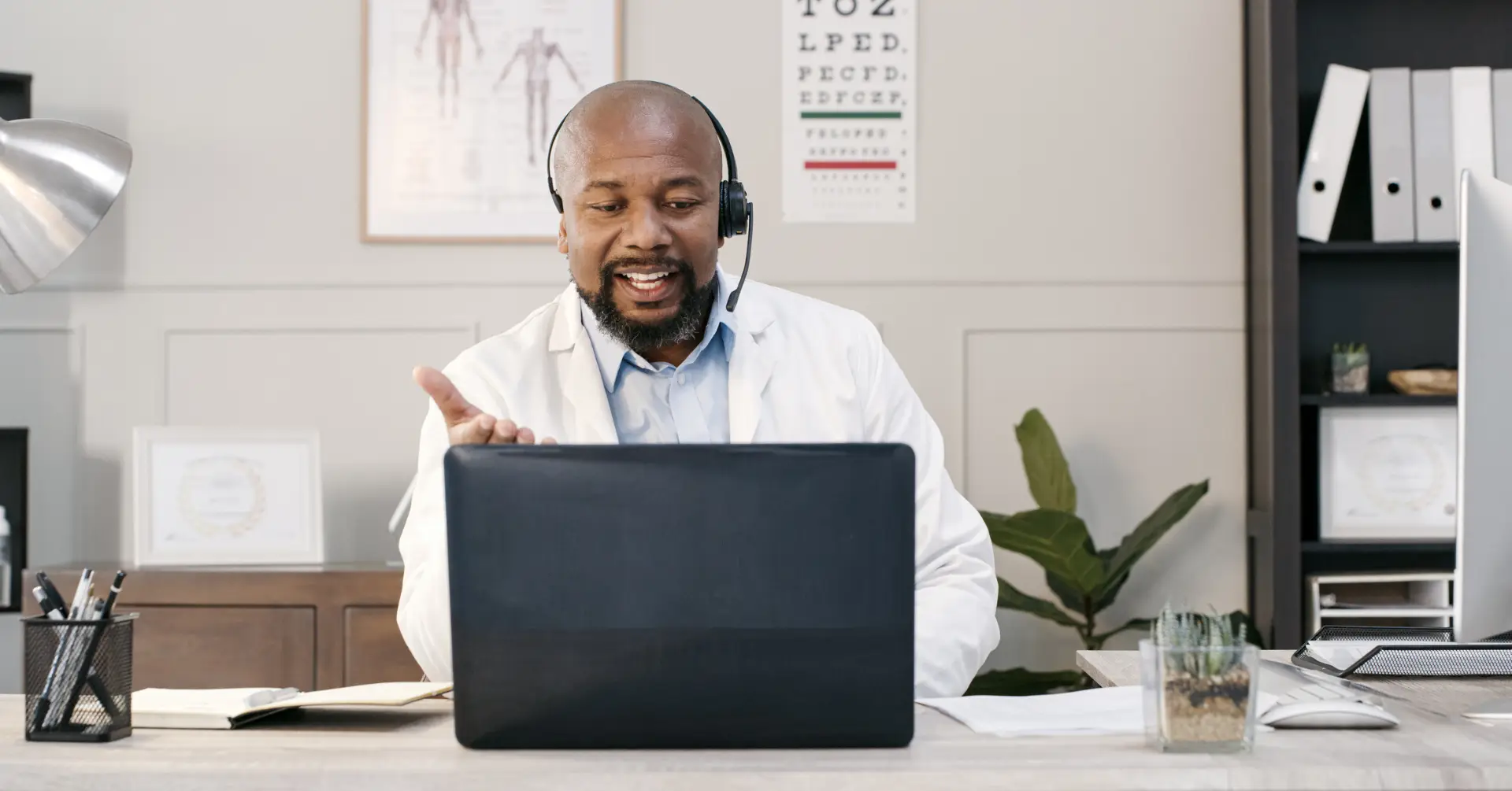
male doctor talking to patient over headset in front of computer

Taking a strategic approach to hybrid care

executive talking to doctor at hospital

Why case management matters now more than ever

cyber security in hospitals

4 challenges to protecting patient information privacy 

Subscribe to our Newsletter

Sign up for our newsletter to receive the latest updates and exclusive content straight to your inbox.

A physician-led team of clinical specialists in emergency, hospital, and critical care medicine, supporting local clinical practices with national resources to deliver high-quality patient care in the communities we serve.

Corporate Phone: (800) 893-9698

Facebook-f Linkedin Youtube

Useful Links

  • SCP Clinician Portal
  • Insurance Request Portal
  • Corporate Compliance
  • Privacy Policy
  • Terms of Use

Contact Interest

  • Billing Questions
  • Clinical Career Opportunities
  • Clinical Services Inquiry
  • Corporate Career Opportunities
  • Employee & Clinician Verification
  • Contact Us

Trending Posts

  • A Clinician's Guide to Evaluating Leadership
  • Four Reasons Why Documentation is Important
  • The Importance of Values in Health Care
  • Social Networks for Doctors
Also of Interest
  • 10 Easy Ways to Improve Patient Satisfaction in the ED
  • 4 Ways to Foster Better Doctor-Patient...
  • 15 Peculiar ICD-10 Codes

Copyright © 2025. All rights reserved.

Insurance Request Portal

Please visit SCP Health’s Insurance Request Portal to submit requests related to medical malpractice liability insurance such as coverage verifications, claims history reports, and certificates of insurance. If you experience issues with the portal submission or have a question about the process, please reach out SCP Health’s Risk Management, Safety and Insurance Department at RM@scphealth.com or 337-609-1250.

Insurance Request Portal Illustrative Instructions

Access Portal
Questions About Your Bill?

By clicking the “Submit” button, you are agreeing to the SCP Heath Terms of Use and Privacy Policy

Start Your Clinical Career Conversation

By clicking the “Submit” button, you are agreeing to the SCP Heath Terms of Use and Privacy Policy

Explore Our Clinical Services

By clicking the “Submit” button, you are agreeing to the SCP Heath Terms of Use and Privacy Policy

Learn More About Corporate Careers

By clicking the “Submit” button, you are agreeing to the SCP Heath Terms of Use and Privacy Policy

Employee Verification Request
By clicking the “Submit” button, you are agreeing to the SCP Heath Terms of Use and Privacy Policy

Attend our
After-Hours CME Event

Date: Tuesday, March 31, 2026
Time: 6:00 PM – 9:00 PM
Location: Harriett’s Rooftop Bar

By clicking the “Submit” button, you are agreeing to the SCP Heath Terms of Use and Privacy Policy

Get in Touch

By clicking the “Submit” button, you are agreeing to the SCP Heath Terms of Use and Privacy Policy

Looking forward to connecting

By clicking the “Submit” button, you are agreeing to the SCP Heath Terms of Use and Privacy Policy

Join Our Clinician Community

Insights, updates, and resources created for clinicians.

By clicking the “Submit” button, you are agreeing to the SCP Heath Terms of Use and Privacy Policy

Access Leadership Insights

By clicking the “Submit” button, you are agreeing to the SCP Heath Terms of Use and Privacy Policy
Advocacy Interest

By clicking the “Submit” button, you are agreeing to the SCP Heath Terms of Use and Privacy Policy

Employment Verification Request

By clicking the “Submit” button, you are agreeing to the SCP Heath Terms of Use and Privacy Policy

Request for Medical Records

By clicking the “Submit” button, you are agreeing to the SCP Heath Terms of Use and Privacy Policy

Explore Integrated Clinical Solutions
By clicking the “Submit” button, you are agreeing to the SCP Heath Terms of Use and Privacy Policy
Explore Our Core Capabilities
By clicking the “Submit” button, you are agreeing to the SCP Heath Terms of Use and Privacy Policy
Let’s Start a Conversation

By clicking the “Submit” button, you are agreeing to the SCP Heath Terms of Use and Privacy Policy

Insurance Request

By clicking the “Submit” button, you are agreeing to the SCP Heath Terms of Use and Privacy Policy

Questions?
We’re Here to Help
By clicking the “Submit” button, you are agreeing to the SCP Heath Terms of Use and Privacy Policy
Hospital at Home for Health Care Leaders
By clicking the “Submit” button, you are agreeing to the SCP Heath Terms of Use and Privacy Policy
Explore SCP Connected Care
By clicking the “Submit” button, you are agreeing to the SCP Heath Terms of Use and Privacy Policy
Explore Critical Care Solutions
By clicking the “Submit” button, you are agreeing to the SCP Heath Terms of Use and Privacy Policy
Explore Hospital Medicine Solutions
By clicking the “Submit” button, you are agreeing to the SCP Heath Terms of Use and Privacy Policy
Explore Emergency Medicine Solutions
By clicking the “Submit” button, you are agreeing to the SCP Heath Terms of Use and Privacy Policy
Contact Information

Please provide your contact information. An SCP representative will contact you accordingly.

Apply To Job
Apply to Job
By clicking the “Submit” button, you are agreeing to the SCP Heath Terms of Use and Privacy Policy